






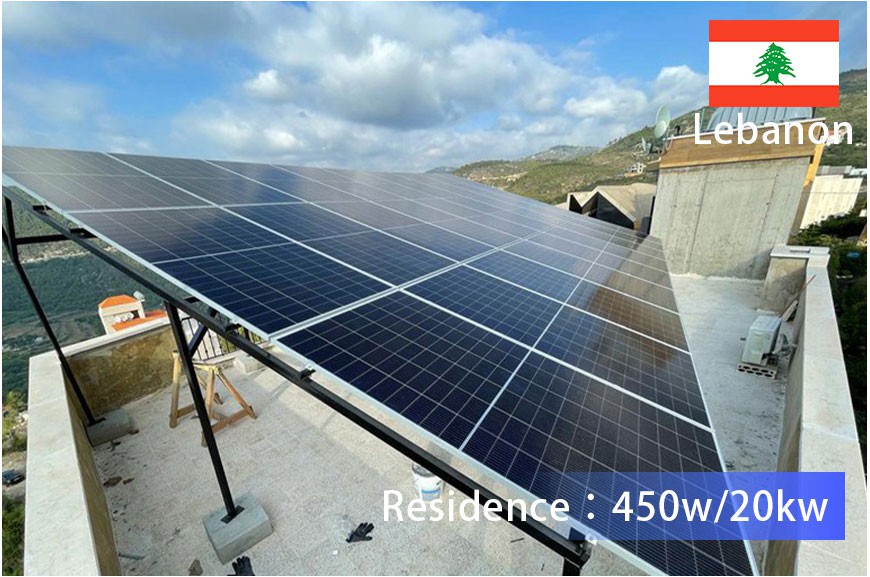


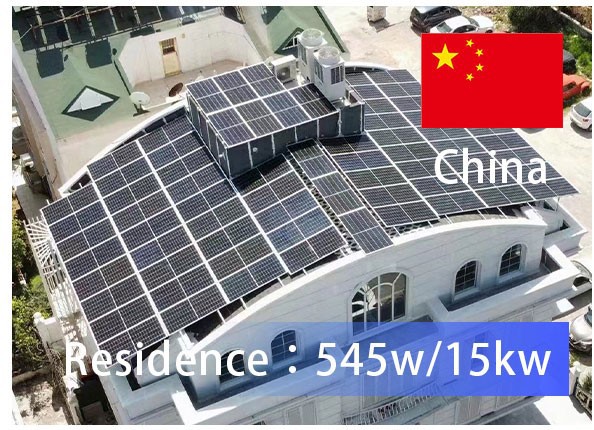


The 10kW Off-Grid Solar Battery System is a fully self-sustaining renewable energy solution engineered to deliver reliable, independent power for homes, remote cabins, or small businesses—no grid connection required. By combining high-performance solar generation with large-scale battery storage, it ensures consistent electricity even in isolated locations, making it the cornerstone of off-grid living, rural sustainability, and backup resilience.
: At its heart is a 10kW solar array (typically 25–30 x 400W monocrystalline panels) that generates 40–60kWh of electricity daily in sunny regions-enough to power a medium-sized home with essentials (fridge, lighting, TV, small AC) and surplus for battery storage. The panels boast 22–23% conversion efficiency, maximizing energy capture even in partial sunlight (critical for cloudy days or winter months).
: A high-capacity lithium-iron-phosphate (LiFePO4) battery bank (20–40kWh) stores excess solar energy, ensuring power after sunset or during extended low-light periods. Key battery advantages:
: 3000–5000 deep cycles (8–12 years of use), retaining >=80% capacity-outlasting lead-acid by 5–7x.
: Safely discharges to 20% (vs. 50% for lead-acid), unlocking more usable energy (e.g., a 30kWh battery delivers 24kWh of usable power).
All-Weather Performance: Operates reliably in -20℃ to 60℃, with insulated enclosures available for cold climates to prevent capacity loss.
:
Off-Grid Inverter: A 10–15kW pure sine wave inverter converts DC power (from panels and batteries) to AC, compatible with all standard appliances and sensitive electronics (laptops, medical devices). It handles continuous loads up to 10kW and peak surges (e.g., for well pumps) up to 20kW.
: Optimizes solar input by 15–30% compared to PWM controllers, regulating power flow to the battery to prevent overcharging and maximize efficiency.
: For extended cloudy spells or high-demand events (e.g., winter heating), a 5–10kW generator (propane/diesel) can recharge the battery, ensuring the system never runs dry.
Durability & Self-Sufficiency:
: Solar panels are rated to withstand hail (25mm), high winds (160km/h), and extreme temperatures (-40℃ to 85℃), built to last 25–30 years.
: Sealed, maintenance-free batteries eliminate water refills; panels require only occasional cleaning. The system includes surge protection and a robust Battery Management System (BMS) to guard against overcurrent, short circuits, and thermal issues.
: Easily expandable-add more panels (up to 15kW) or batteries (up to 60kWh) to meet growing energy needs (e.g., adding a workshop or electric vehicle charging).
Cost & Long-Term Value: While upfront investment is higher ($40,000–$80,000) than grid-tied systems, it eliminates lifelong utility bills and avoids costly grid connection fees (which can exceed $100,000 for remote properties). Over 10–15 years, total savings surpass initial costs, with minimal ongoing expenses ($200–$500/year for maintenance).

In commercial buildings, solar energy is used in multiple ways. Rooftop solar panel installations are common to generate electricity for the building's operations, reducing electricity bills. Some large retailers, for example, use solar power to run their stores, lighting, and cooling systems. Solar thermal systems can be used for heating water for restrooms, cafeterias, or other facilities. In addition, some commercial buildings are incorporating solar canopies in parking lots, which not only generate electricity but also provide shade for vehicles. These canopies can be integrated with electric vehicle charging stations, allowing for clean energy charging. Overall, solar energy helps commercial entities reduce operating costs and enhance their environmental credentials. It can also be part of a broader corporate sustainability strategy, attracting customers who value green initiatives and potentially qualifying for various green building certifications. For instance, a modern office building might have a large, state-of-the-art rooftop solar array that supplies a significant portion of its daily electricity needs, while also using solar thermal collectors to preheat water for the building's HVAC (Heating, Ventilation, and Air Conditioning), thereby optimizing energy efficiency and reducing reliance on the grid. In industrial settings, solar energy can power machinery during daylight hours, supplementing or even replacing grid-supplied electricity, depending on the scale of the installation and the power requirements of the processes. This not only cuts down on energy costs but also provides a more stable and reliable power source in regions where grid power may be intermittent or subject to price fluctuations.
人気ラベル: 10kw off grid hybrid solar battery system, China 10kw off grid hybrid solar battery system manufacturers, suppliers
お問い合わせを送る


